Planning and building
CERTASS certificate for a conservatory
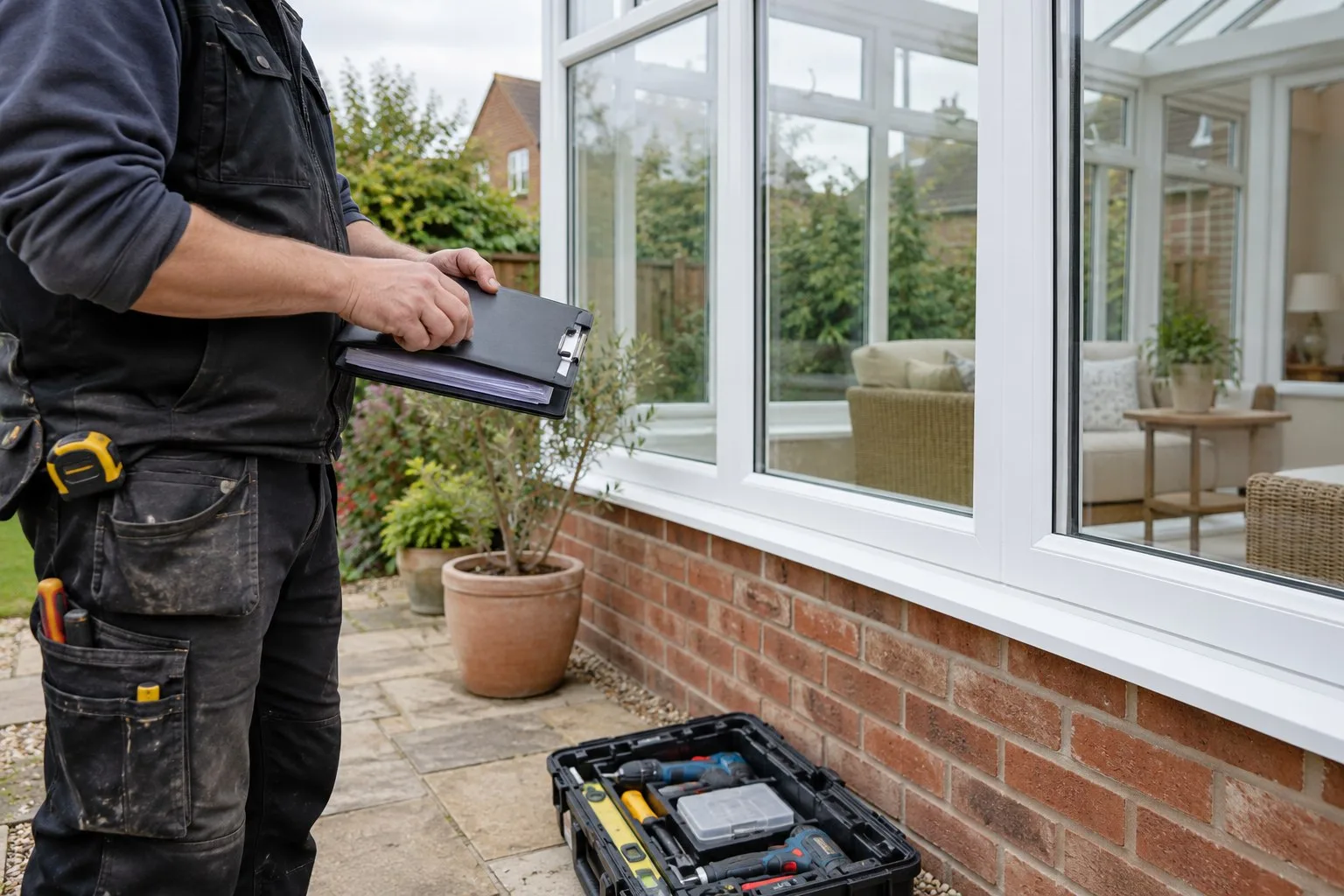
A CERTASS certificate for a conservatory shows that a registered installer has self-certified the job as compliant with Building Regulations. It is the main alternative to FENSA, and the choice between them rarely matters to you. Either registration lets the installer certify their own work without calling building control to each job. What matters is that the installer holds one, and that you receive the certificate afterwards.
What a CERTASS certificate for a conservatory is
CERTASS describes itself as a government-authorised certification body. Its self-certification scheme lets installers self-certify eligible installations as compliant with Building Regulations. Each job then doesn’t need a separate visit from building control. Homeowners can order a certificate through the CERTASS certificate site once the work finishes.
When a conservatory job needs a CERTASS certificate
Self-certification applies to work that Building Regulations cover. It comes up most when you replace windows, doors or other parts of an existing conservatory. A small new conservatory built at ground level may be exempt from Building Regulations. There is then little to certify, though the glazing standards still apply. Our overview of planning and building a conservatory explains the exemption and its conditions.
Replacing a roof is different. A tiled or glass roof must meet the standards for safety, energy and ventilation. Ask the installer which certificate covers the roof, and who applies for any building control approval. Our guide to a solid conservatory roof explains why that matters.
CERTASS certificate or FENSA certificate for a conservatory
Both schemes do the same job for you. Each registers an installer’s work, issues a certificate and has a way to check a company. The differences are in the detail of the guarantee and the way the scheme runs. Ask the installer what their certificate and guarantee cover, rather than choosing on the logo. Our guide to a FENSA certificate sets out the same checks.
How to check a CERTASS certificate and installer
- Ask for their CERTASS registration number and check it with the scheme, not just on the company’s own website.
- Ask what the certificate covers. A certificate for new doors is not a certificate for a new roof.
- Ask when it will arrive. It should come after the work finishes, and you should keep it with your house papers.
- Ask about the guarantee. Find out whether it is insurance-backed and what happens if the company stops trading.
If a conservatory installer has no CERTASS certificate
Then you or the firm must go through building control instead, usually paying a fee and arranging inspections. That is slower and adds cost, so when you compare quotes treat registration as part of the specification. Our quote checker lists what each quote should show.
Next steps
If you are planning new doors, look at bifold doors and patio doors, then compare quotes from registered installers. For deposits and guarantees, see our guide to choosing a conservatory installer.
Get quotes for your home
A guide price only takes you so far. Local firms can price the work on your own home, and comparing a few quotes is the quickest way to see what is reasonable.
Compare free quotes